


- Home
- About Us
- DNA Tests
Peace of Mind
- Paternity DNA Test
- Maternity DNA Test
- Trio Paternity DNA Test
- Sibling ship DNA Test
- Avuncular DNA Test – Uncle/Aunt & Niece/Nephew
- Grand parentage DNA Test
- mtDNA Test – Maternal Lineage
- Y-STR DNA Test – Paternal Lineage
- Child’s Swap DNA Test
- Child Adoption DNA Test
- IVF DNA Test
- DNA Profiling Test – Single-Person DNA Profiling
- Human Identification DNA Test
- Forensic Sample-Based DNA Testing
- Non-Invasive Prenatal Paternity Test – Safe & Accurate During Pregnancy
- Cell Line Authentication DNA Test
Legal DNA Test
- Legal Paternity DNA Test- Court Admissible
- Legal Maternity DNA Test- Court Admissible
- Court Approved Trio Paternity DNA Test- Father, Mother & Child
- Siblingship DNA Test – Legal cases
- Legal Grand Parentage DNA Test
- Legal Avuncular DNA Test – Uncle/Aunt & Niece/Nephew
- Legal mtDNA Test – Maternal Lineage
- Legal Y-STR DNA Test – Paternal Lineage
- Organ & Kidney Transplant DNA Test – Court Certified
- DNA Profiling Test – Court Approved Legal Documentation
- Immigration DNA Test – Legal Purpose
- Legal Child Swap DNA Test
- Legal IVF Confirmation DNA Test
- Legal Adoption DNA Test
- Forensic Services
- Forensic Kits
- Our Centre
- Blog
- Training / Internship
- Contacts
Legal Sibling DNA Test
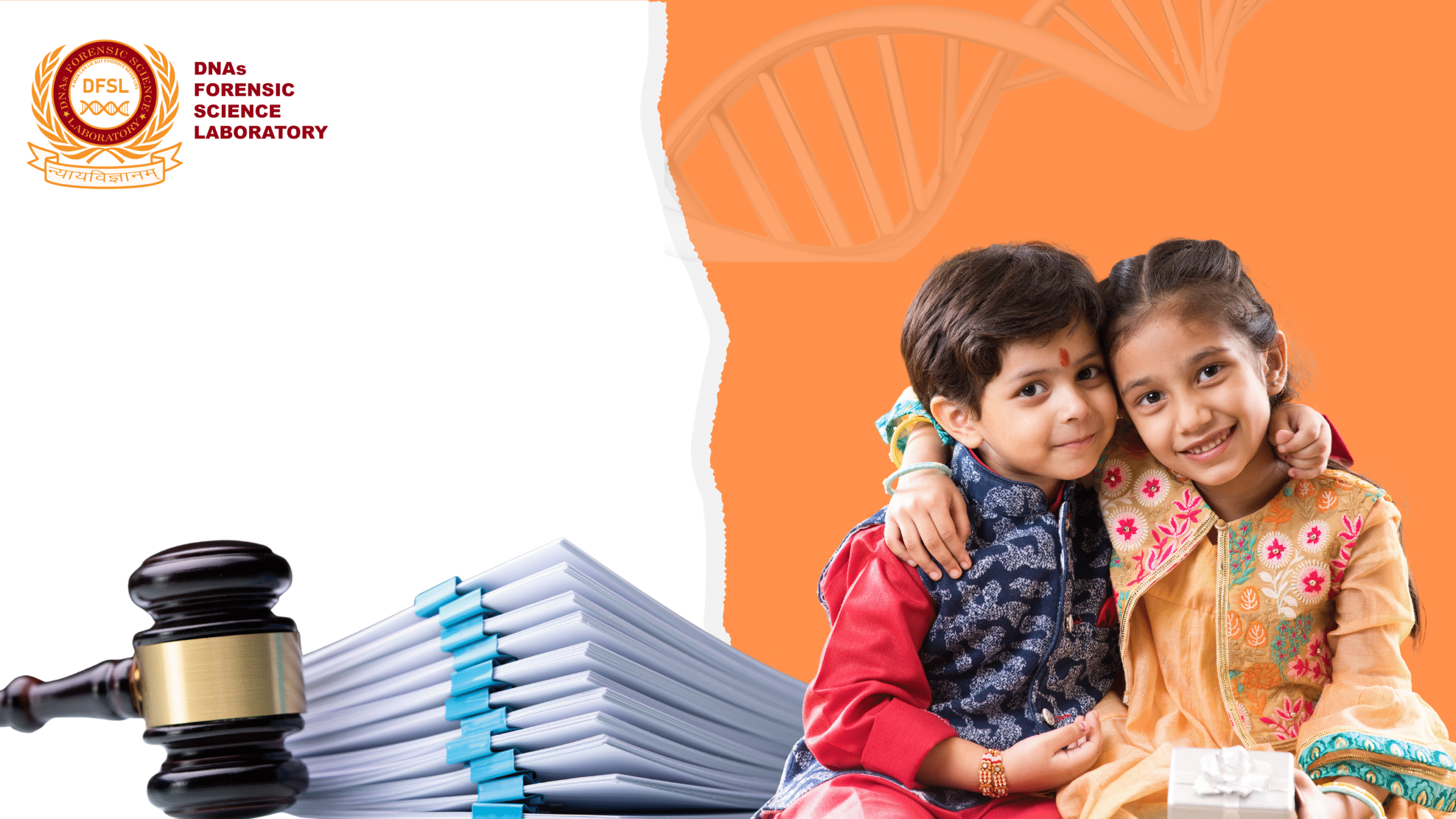
What is a Legal Sibling DNA Test?
Sometimes, the question isn’t about who the parent is — it’s about whether two people are biological siblings. A Legal Sibling DNA Test helps confirm if individuals share one or both biological parents.
Unlike private sibling tests (done for personal peace of mind), a court-recognized sibling DNA test follows strict legal protocols, making the results valid in court.
When Do Courts Ask for a Sibling DNA Test?
Courts in India may order sibling testing in different situations, such as:
- Property and Inheritance Disputes
- If two or more people claim to be heirs, the test can confirm if they are biological siblings entitled to a share.
- Immigration Cases
- When documents are missing or unclear, DNA testing helps prove sibling relationships for visa or immigration applications.
- Child Custody Battles
- In divorce cases, sometimes courts check sibling relationships to decide custody or visitation rights.
- Adoption or Missing Child Cases
- If a child is reunited with a family after many years, sibling DNA testing can confirm biological ties.
How is a Court-Recognized Sibling DNA Test Done?
- Court Approval
- The test is conducted only after a judge orders it, especially in sensitive legal disputes.
- Sample Collection (Chain of Custody)
- DNA samples (usually cheek swabs) are collected under supervision.
- Identity documents, photographs, and signatures are verified to ensure no tampering.
- Laboratory Testing
- Certified labs analyse multiple DNA markers to determine whether the individuals share the same mother, same father, or both.
- Report Submission
- Results are directly sent to the court in a sealed format. Parties cannot alter or influence the report.
Types of Sibling DNA Tests
- Full-Sibling Test– Checks if two people share both parents.
- Half-Sibling Test– Confirms if they share one parent (either mother or father).
- Extended Analysis– If available, including DNA from parents or other relatives increases accuracy.
Real-Life Case in India
In a property dispute in Bihar, two men claimed to be the rightful heirs of ancestral land. One of them argued that the other was not a biological brother but from a different family. The court ordered a Legal Sibling DNA Test.
The test showed that both men shared the same father but had different mothers, making them half-brothers. Based on this result, the court gave both of them inheritance rights.
Impact of Sibling DNA Testing
- Protects Children’s Rights
- Ensures that rightful heirs are not denied their inheritance.
- Stops Fraudulent Claims
- Prevents false heirs from claiming property or benefits.
- Supports Immigration
- Helps siblings reunite across borders when papers are missing.
- Brings Closure in Adoption Cases
- Confirms biological ties for children reunited with families.
- Reduces Long Legal Battles
- Saves time and money by giving scientific clarity.
Example – Missing Child Reunited
In a child trafficking case in Maharashtra, a missing boy was found after 10 years. To confirm his identity, the court ordered a Legal Sibling DNA Test with his elder sister. The results confirmed they shared the same parents. This helped the boy return to his biological family and ended years of uncertainty.
In India, where family disputes often get complicated, such tests play a vital role in protecting rights, preventing fraud, and bringing families closer to the truth.
In simple words: A sibling DNA test tells the court whether two people are truly brothers or sisters — and ensures justice is served.
• Alleged siblings (brothers or sisters)
• Parents, if available, to increase test accuracy
Talk to Experts
